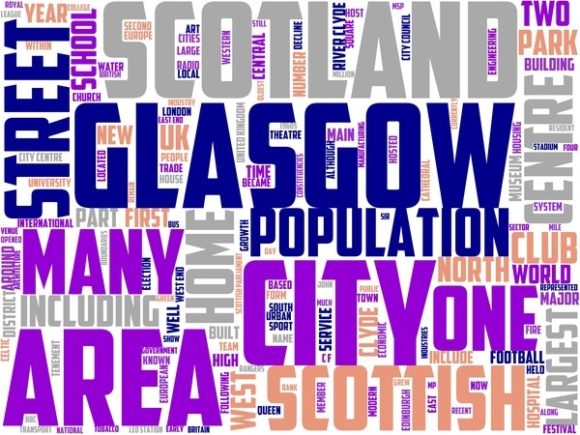
Glasgow Wordart Sublimation: Hand-Drawn Wordclouds That Bring Colour, Meaning, and Craft Back to Design
Imagine a wordcloud that doesn’t feel algorithmically generated or digitally sterile—but alive with texture, intention, and warmth. Glasgow Wordart Sublimation delivers exactly that: a hand-drawn, vibrantly coloured wordcloud designed not as clipart, but as a tactile, expressive design asset. It’s crafted for real-world making—not just screen-based previews. Whether you’re pressing it onto organic cotton tees, heat-transfer printing onto ceramic mugs, or layering it into a limited-run zine cover, this wordcloud carries the quiet confidence of human mark-making in an increasingly automated creative landscape.
Why Hand-Drawn Wordclouds Are Resonating Now
Over the past few years, we’ve seen a quiet but steady shift away from hyper-polished, AI-generated visuals—especially among small businesses, educators, and independent makers. Customers notice when something feels personally curated versus mass-produced. A hand-drawn wordcloud like the one offered through Glasgow Wordart Sublimation taps into that desire for authenticity without sacrificing versatility. It’s not about rejecting digital tools—it’s about using them to amplify human expression, not replace it.
This aligns with broader cultural habits: more people are choosing slow craft over fast consumption, supporting local print studios, and valuing design elements that tell a story before they sell a product. Teachers use these wordclouds in classroom posters to reinforce vocabulary with visual rhythm. Wedding planners embed them into invitation suites to reflect shared values—not just names and dates. Small-batch apparel brands feature them on tote bags and sweatshirts as subtle affirmations rather than slogans.
Sublimation-Ready by Design—Not Afterthought
Glasgow Wordart Sublimation isn’t just “printable”—it’s built for sublimation workflows from the ground up. That means high-resolution vector + raster compatibility, CMYK-optimised colour palettes, and intentional spacing between words to prevent bleeding during heat transfer. Unlike generic wordcloud generators, this version considers how ink behaves under pressure and temperature: letters retain legibility on polyester blends, gradients hold richness on ceramic blanks, and fine linework stays crisp on pillowcases and notebook covers.
For professionals managing multiple product lines—say, a lifestyle brand launching a new collection of journals, enamel pins, and wall prints—having one cohesive, scalable wordcloud asset saves hours in file prep and ensures visual consistency across formats. No need to rework kerning for each substrate. No last-minute panic over pixelation on a 24” poster. It’s designed to move fluidly between physical and digital contexts, because today’s creators rarely work in just one medium.
A Tool for Meaningful Customisation—Not Just Decoration
What sets this wordcloud apart is its balance of structure and openness. The layout is intentionally asymmetrical yet balanced; words curve organically, overlap with purpose, and vary in weight—not randomly, but to guide the eye and suggest hierarchy. You can easily swap out terms to reflect your brand voice (“resilience”, “curiosity”, “gather”), your event theme (“joy”, “community”, “beginning”), or even a student’s learning goals (“analyse”, “create”, “reflect”).
This flexibility makes it especially useful for educators building inclusive classroom resources—replacing stock imagery with language that mirrors students’ lived experiences. Or for wellness coaches designing workshop handouts where “breathe”, “pause”, and “listen” anchor the visual field. It’s not filler decoration. It’s functional typography with emotional resonance.
Practical Uses Across Real Creative Workflows
The strength of Glasgow Wordart Sublimation lies in how naturally it integrates into everyday projects—no niche software or specialist training required. Here’s how real users apply it:
- Textile designers scale sections of the wordcloud for repeat patterns on scarves or cushion covers—using the hand-drawn irregularity to soften geometric layouts.
- Event planners layer the wordcloud behind transparent acrylic signage or print it directly onto kraft paper banners, letting the raw paper texture interact with the ink.
- Educators export individual words as SVG files for cutting machines, turning vocabulary lists into tactile flashcards or bulletin board accents.
- Small publishers use it as a recurring motif across book spines, chapter dividers, and ebook cover variants—creating subtle continuity without repetition fatigue.
- Crafters trace outlines onto wood slices or embroidery hoops, then fill in with thread, paint, or resin—honouring the original line quality while adding material depth.
It works equally well at 2 inches (for a luggage tag) or 48 inches (for a trade show backdrop), because proportion and contrast were considered early—not patched in later.
Design Ethics Meet Everyday Utility
In an era where “custom” often means selecting from three pre-set templates, Glasgow Wordart Sublimation offers a different kind of empowerment: the ability to start from a thoughtful, finished base—and then adapt it meaningfully. There’s no hidden licensing complexity. No watermarks. No subscription walls. It’s a single, ethically sourced design file intended for commercial use—because creators deserve clarity, not caveats.
That transparency matters—not just legally, but psychologically. When you know exactly what you’re allowed to do with a resource, you spend less time second-guessing and more time making. That’s why so many freelancers include it in their starter kits for clients who want warm, approachable branding without the coldness of stock vectors.
Where This Fits in the Larger Creative Ecosystem
Glasgow Wordart Sublimation reflects a maturing understanding of digital assets: they’re no longer just “files to download,” but ingredients in a larger practice. They sit alongside handmade stamps, scanned watercolour textures, and locally sourced papers—not as replacements, but as collaborators. Its popularity isn’t tied to a fleeting trend, but to a deeper recalibration of how value is assigned in creative work: skill + intention + usability > novelty alone.
That’s why it shows up in unexpected places—like a therapist’s waiting room poster listing grounding techniques, or a community garden’s seasonal newsletter featuring “grow”, “share”, “tend”, and “rest”. It doesn’t shout. It settles in. And that quiet presence is increasingly rare—and increasingly sought after.
Getting Started—Without Overcomplicating It
You don’t need a studio or a degree to use this wordcloud effectively. Start small: try it on a batch of folded thank-you cards for your next client project. Import it into Canva or Affinity Designer, adjust saturation to match your brand palette, and export for local print. Or load it into your sublimation RIP software, test on a scrap mug, and refine temperature/time settings before committing to a full run.
If you're building a product line, consider pairing the wordcloud with complementary minimalist icons or hand-lettered phrases—letting the wordcloud act as the emotional anchor while other elements provide functional clarity. And if you're sharing it digitally (e.g., in an ebook or social carousel), export a version with slightly increased stroke weight—ensuring readability on mobile screens without losing its organic feel.
Glasgow Wordart Sublimation doesn’t promise viral growth or overnight branding miracles. What it does offer is reliability, warmth, and room to grow—with your ideas, your audience, and your evolving sense of what meaningful design looks and feels like.