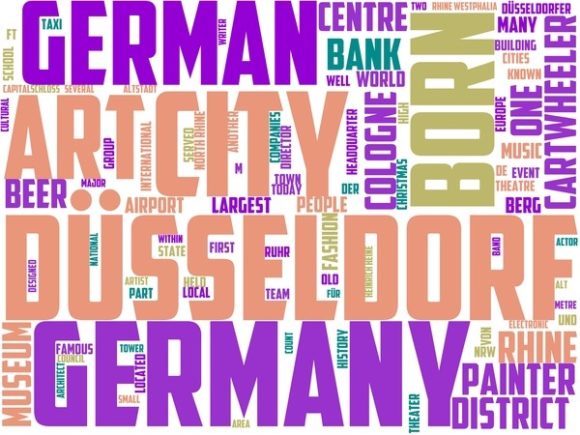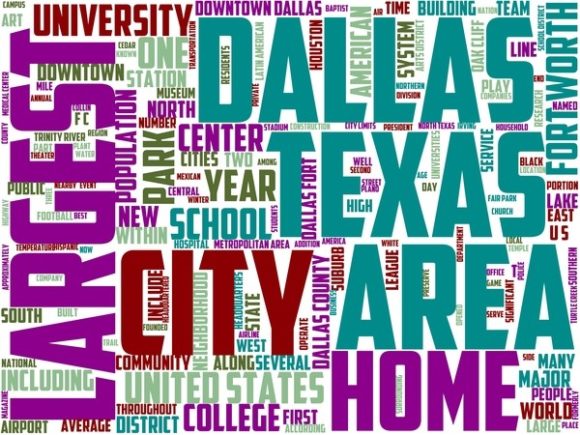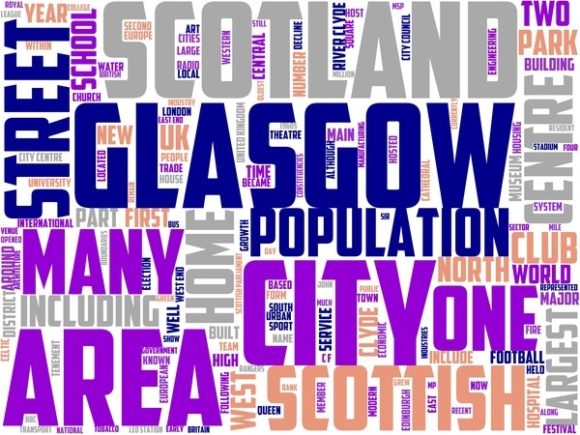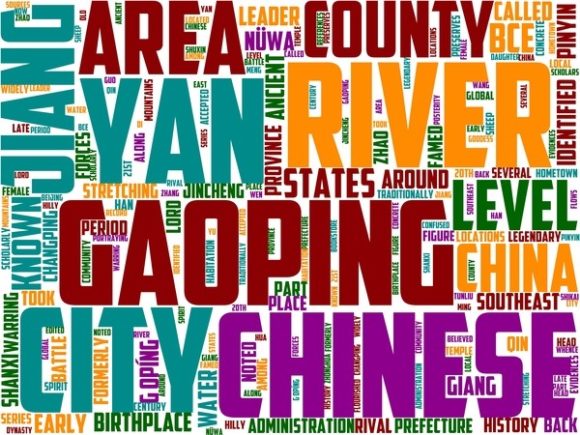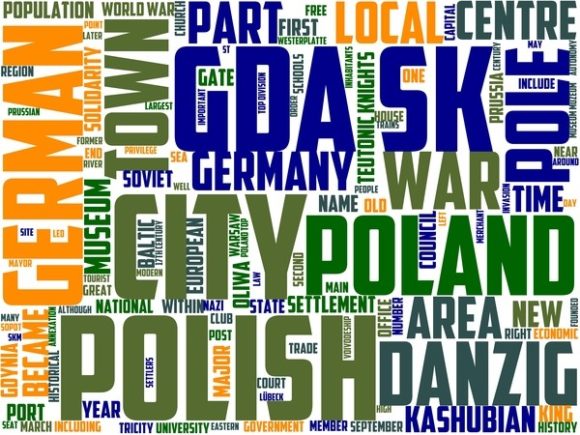
Gdansk Wordart Print: Hand-Drawn Wordclouds That Spark Real Creativity
If you've ever stared at a blank T-shirt, a plain notebook cover, or a dull gift tag wondering how to make it feel personal, meaningful, and visually alive—you’re not alone. That’s exactly where Gdansk Wordart Print steps in: a collection of beautifully hand-drawn, colorful wordclouds designed not just to look good, but to work hard across real-life creative projects.
What Makes Gdansk Wordart Print Different?
This isn’t your standard digital wordcloud generator that spits out sterile, algorithm-driven layouts. Gdansk Wordart Print is crafted by hand—each curve, tilt, and color transition is intentional. Words flow organically, overlap with gentle rhythm, and nestle into one another like thoughts settling into place. The result? A design that feels warm, human, and full of quiet energy.
It’s also intentionally versatile. You won’t find rigid templates or locked-in fonts here. Instead, you get high-resolution, layered, print-ready files (often in PNG with transparent backgrounds and vector-friendly formats) that scale cleanly—from tiny enamel pin text to a 36-inch wall poster—without losing charm or clarity.
Where It Shines: Everyday Uses You’ll Actually Reach For
Think of Gdansk Wordart Print as your go-to visual ingredient—not a standalone product, but the expressive spark inside something bigger. Here’s where people are using it most:
- Clothing & Textiles: Designers printing on organic cotton tees or linen tote bags often use a Gdansk Wordart Print as the central motif—say, “Wander • Wonder • Write” for a journaling brand, or “Coast • Calm • Clouds” for a seaside boutique. Because the lines are hand-drawn, it avoids the “clip-art” flatness and reads as authentic, artisan-made.
- Home Décor & Gifts: Framed prints, embroidered pillow covers, ceramic mugs, and even pressed-flower resin coasters get instant personality with a subtle wordcloud tucked into a corner—or boldly centered. One maker told us she used a “Gratitude • Growth • Gentle” layout on linen tea towels—and sold out three batches before reordering fabric.
- Paper Goods That Feel Thoughtful: Wedding invitations, baby shower banners, graduation cards, or even weekly planner stickers gain emotional resonance when words aren’t just typed—but drawn with care. A bride chose “Joy • Us • Today • Always” in soft watercolor tones for her ceremony program—it became a keepsake, not just stationery.
- Small Business Branding: Local cafés, yoga studios, indie bookshops, and craft supply shops use Gdansk Wordart Print in subtle ways: as background texture on business cards, as a watermark on digital newsletters, or as the hero graphic on a seasonal flyer. It adds warmth without shouting—perfect for brands that value authenticity over flash.
- Educational & Wellness Spaces: Teachers print “Focus • Breathe • Try • Grow” on classroom posters; therapists use “Safe • Seen • Still • Soft” on waiting-room art; mindfulness apps layer the designs into guided journal PDFs. The hand-drawn quality makes abstract concepts feel approachable—not clinical.
Who Benefits Most—and How They Use It Differently
A freelance graphic designer might drop a Gdansk Wordart Print into a client’s packaging mockup to test emotional tone before finalizing typography. A homeschool parent may print the same file onto sticker paper, cut it out, and stick it onto a reading log to celebrate milestones. A textile artist could trace the outlines onto fabric for hand-embroidery—or scan and reinterpret it as a repeat pattern for scarves.
The beauty lies in its adaptability across skill levels. You don’t need Adobe Illustrator mastery—many users drag and drop the PNG straight into Canva or Cricut Design Space. Others treat it as inspiration: zooming in to study spacing, then redrawing key phrases in their own hand for custom lettering projects.
Things to Keep in Mind Before You Start
Because these are hand-crafted visuals—not auto-generated—the word selection and layout are fixed per design. So if you need “Resilience” instead of “Strength,” or want Spanish or Polish translations, check whether the specific Gdansk Wordart Print includes multilingual versions (some do—especially those inspired by Baltic coastal culture or Slavic folklore themes).
Also consider context: while the colors are vibrant, they’re carefully balanced—not neon-bright. That makes them ideal for natural materials (linen, kraft paper, unglazed ceramics), but less suited for high-contrast digital ads where bold saturation wins. And because they’re artistic interpretations, they’re best used where legibility supports mood—not where every word must be instantly scannable (e.g., legal disclaimers or ingredient lists).
One practical tip: always download the highest-res version available, especially if you plan to scale up. The hand-drawn detail holds up remarkably well—but pixelation sneaks in fast if you stretch a low-DPI file across a large banner.
Why It Fits So Naturally Into Modern Making
We’re seeing a quiet shift away from hyper-polished, AI-perfect graphics—and toward textures, imperfections, and intentionality. Gdansk Wordart Print lands right in that sweet spot: it’s professional enough for client work, personal enough for weekend crafts, and distinctive enough to stand out in a sea of stock vectors.
It works because it doesn’t try to do everything. It doesn’t replace your logo. It doesn’t write your copy. Instead, it gives voice to ideas already living in your project—whether that’s a clothing line rooted in slow living, a therapist’s calming office space, or a teacher’s classroom full of growing minds.
And unlike trend-heavy design elements that fade after six months, these wordclouds lean into timeless qualities: warmth, tactility, and thoughtful composition. That’s why makers return—not just for one layout, but to build a small library of Gdansk Wordart Print designs that reflect different seasons of their work and life.
Real Projects, Real Results
A Berlin-based stationery brand used “Create • Pause • Return” across their spring collection—printed on seed paper greeting cards that customers planted after use. A Kraków pottery studio applied “Earth • Fire • Form” as a subtle decal on their mug bottoms—turning functional objects into quiet affirmations. An eco-conscious children’s book illustrator layered “Kind • Curious • Wild” behind hand-painted animals in a self-published picture book—adding depth without competing with the illustrations.
These aren’t hypotheticals. They’re examples of how Gdansk Wordart Print functions as both anchor and accent—supporting meaning without overwhelming it.
So whether you're screen-printing on denim, designing a workshop handout, updating your Etsy shop banner, or making a birthday card that actually feels like *you*—this is the kind of design element that slips quietly into your workflow and stays.