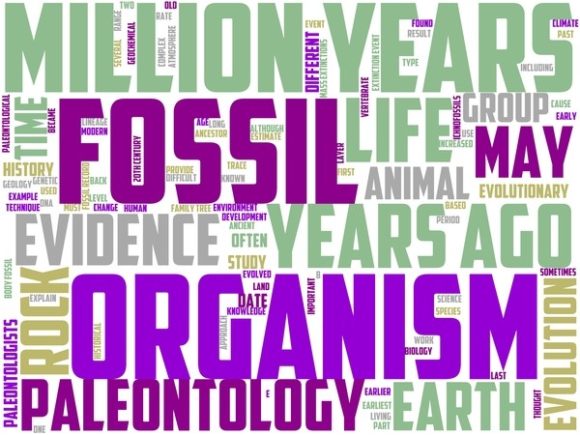
Dinosaurology Wordart Book Cover: A Vibrant, Versatile Design Tool for Creatives and Entrepreneurs
Imagine a single design element that sparks curiosity, invites learning, and adds playful sophistication to everything from children’s apparel to science-themed home décor — all while celebrating paleontology, language, and art in one joyful composition. That’s the essence of the Dinosaurology Wordart Book Cover: a hand-drawn, colorful wordcloud built around dinosaur-related vocabulary, thoughtfully crafted not just as a book cover, but as a multi-purpose creative asset.
What Is Dinosaurology Wordart — and Why Does It Matter?
The term “Dinosaurology” itself is a delightful portmanteau — blending dinosaur and -logy (meaning “the study of”). While not a formal academic discipline like geology or biology, it captures a growing cultural fascination with prehistoric life, scientific literacy, and interdisciplinary learning. The Dinosaurology Wordart Book Cover brings this concept to life visually: instead of a static image of a T. rex or fossilized bone, it presents a dynamic, hand-illustrated cloud filled with words like Stegosaurus, fossil, cretaceous, cladistics, amber, archaeopteryx, and stratigraphy.
This isn’t random decoration. Each word was selected for educational resonance — some reflect taxonomy, others geologic time, anatomy, excavation techniques, or evolutionary concepts. Together, they form an accessible, visual glossary — one that invites viewers to pause, read, recognize patterns, and even discover new terms. For educators, parents, and lifelong learners, it transforms passive viewing into active engagement.
More Than a Book Cover: A Design Asset Designed for Real-World Use
While its name references a “book cover,” the Dinosaurology Wordart is intentionally engineered for versatility. Its high-resolution, scalable vector-friendly layout ensures crisp reproduction across formats — whether printed at 2 inches on a sticker or stretched across a 48-inch banner. And because it’s hand-drawn (not computer-generated), it carries warmth, authenticity, and artistic nuance — qualities increasingly valued in today’s digital-first marketplace.
Where This Wordart Shines in Practice
- Clothing & Accessories: Screen-printed onto t-shirts, tote bags, or kids’ socks — turning everyday wear into conversation starters about evolution and Earth history.
- Educational Materials: Used in classroom posters, science fair displays, homeschool curriculum printables, or interactive flashcards aligned with NGSS (Next Generation Science Standards).
- Promotional & Branding Tools: Adapted into logos for paleontology camps, museum gift shops, STEM summer programs, or indie science podcast branding.
- Home & Textile Design: Translated onto throw pillows, wallpaper accents, ceramic mugs, or quilt patterns — merging intellectual charm with cozy, personalized décor.
- Digital & Print Media: Embedded in e-book covers, newsletter headers, webinar slide decks, conference programs, or even augmented reality (AR) learning apps where tapping a word triggers a fun fact or pronunciation guide.
Unlike generic clipart or AI-generated word clouds — which often lack thematic cohesion or typographic intention — this design balances readability, rhythm, and meaning. Words vary in size and orientation not arbitrarily, but to emphasize conceptual weight (e.g., extinction appears larger; feather curls gently near Archaeopteryx), creating subtle visual storytelling.
Debunking Common Misconceptions
Some assume word clouds are outdated — relics of early 2000s data visualization. But modern wordart, especially hand-crafted versions like Dinosaurology Wordart, has evolved far beyond keyword frequency charts. It’s now recognized by designers and educators alike as a powerful tool for:
- Visual Literacy Development: Helping emerging readers connect spelling, meaning, and context through repetition and spatial association.
- Inclusive Learning: Supporting neurodiverse students who benefit from multimodal input — combining text, color, shape, and theme in one glance.
- Brand Differentiation: Offering small businesses and independent creators a distinctive, copyright-safe alternative to overused stock graphics.
Another misconception? That such designs only appeal to children. In reality, adult learners — from amateur fossil hunters to museum docents to science communicators — consistently cite the Dinosaurology Wordart as both nostalgic and intellectually refreshing. Its palette (earthy ochres, deep teals, warm ambers, soft lavenders) avoids juvenile clichés while retaining approachability — a rare balance in educational design.
How Dinosaurology Wordart Fits Into Today’s Creative & Professional Landscape
In an era where attention is fragmented and authenticity is currency, hand-drawn wordart bridges gaps: between play and pedagogy, between niche interest and mass appeal, between analog craft and digital scalability. Consider these real-world applications:
- A science educator uses the wordcloud as the centerpiece of a “Dino Discovery Month” bulletin board — then extends the lesson by having students research and define three unfamiliar words from the design.
- An indie publisher licenses the artwork for a middle-grade nonfiction series titled Dinosaurology for Curious Minds, using variations of the same wordcloud across four book covers — each highlighting different subsets of terms (e.g., “Ocean Giants,” “Feathered Families,” “Fossil Hunters,” “Time Travelers”).
- A small-batch textile studio prints the design onto organic cotton fabric, then crafts limited-run aprons for paleontologists and science teachers — turning professional identity into wearable art.
- A library outreach team adapts the wordcloud into a bilingual (English/Spanish) version for community storytimes, supporting dual-language literacy while honoring linguistic diversity in STEM engagement.
These examples highlight a key truth: the value of Dinosaurology Wordart lies not in what it *is*, but in how creatively and meaningfully it’s applied. It’s a springboard — not a finish line.
Getting Started: Tips for Using This Wordart Thoughtfully
If you’re ready to bring this design into your projects, keep these best practices in mind:
- Respect the intent: Avoid stretching or distorting the layout — its hand-drawn integrity relies on balanced proportions and intentional spacing.
- Pair with purposeful typography: When adding titles or body text, choose clean, legible fonts (e.g., Merriweather, Lora, or IBM Plex Serif) that complement — not compete with — the organic lines of the wordcloud.
- Consider accessibility: For digital use, provide alt-text describing both the visual structure (“a circular, hand-drawn wordcloud featuring 65 paleontology-related terms in varying sizes and colors”) and its educational function (“serves as a visual glossary introducing core concepts in dinosaur science”).
- Think cross-platform: Save layered files (e.g., .PSD or .AI) for easy recoloring or selective word removal — ideal when tailoring content for specific age groups or learning objectives.
Whether you're launching a STEM subscription box, designing a teacher resource kit, or simply refreshing your home office with inspiration rooted in deep time — the Dinosaurology Wordart Book Cover offers more than aesthetic appeal. It’s a celebration of curiosity, a tribute to scientific wonder, and a quietly powerful reminder that learning doesn’t always need to be linear to be meaningful.
So go ahead — get crafty. Print it. Stitch it. Project it. Teach with it. Let each word spark a question, a memory, or a “what if?” Because sometimes, the most impactful education begins not with a lecture — but with a beautifully drawn cloud of words waiting to be explored.