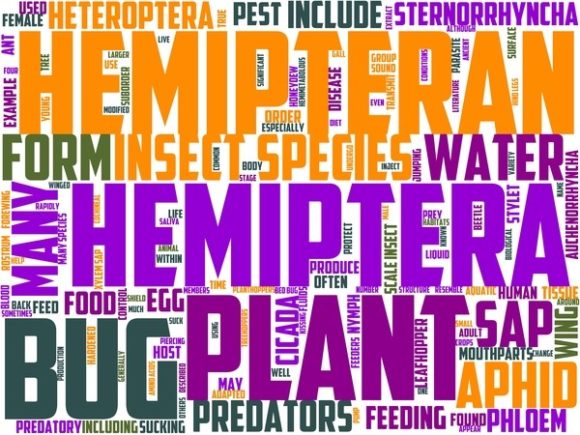
Hemipterology Wordart Book Cover
At first glance, the Hemipterology Wordart Book Cover appears as a vibrant, hand-drawn wordcloud—colorful, organic, and rich with texture. But its value extends far beyond aesthetics. For creators, marketers, educators, and small business owners, it functions as a flexible visual asset rooted in thematic coherence and intentional design. Hemipterology—the scientific study of true bugs—lends unexpected depth: precision, structure, and biological nuance. That specificity matters. It signals expertise, invites curiosity, and differentiates from generic decorative elements. When used thoughtfully, the Hemipterology Wordart Book Cover becomes more than ornamentation—it supports clarity of message, strengthens brand voice, and reinforces subject-matter authority.
Why Context Determines Strategic Value
A wordcloud only delivers strategic value when anchored to purpose. The Hemipterology Wordart Book Cover includes terms like “hemelytron,” “phytophagous,” “xylem,” “aphid,” “cicada,” and “mirid”—not randomly, but as curated lexical markers of entomological rigor. That makes it especially useful for science communicators, academic publishers, ecology educators, or nature-based brands aiming to signal credibility without resorting to stock imagery or clinical typography. Unlike abstract patterns, this design carries semantic weight. Used on a field guide cover, it subtly cues readers to expect accuracy and depth. Applied to a workshop flyer, it primes attendees for content grounded in real taxonomy—not just “bug-themed” entertainment.
Practical Use Cases Across Real Workflows
Consider how the Hemipterology Wordart Book Cover integrates into tangible projects:
- Book and e-book covers: Especially effective for nonfiction titles on entomology, biodiversity, insect conservation, or science education—where visual alignment with content builds immediate trust.
- Classroom and outreach materials: Teachers use it on posters, handouts, or digital slides to reinforce vocabulary while maintaining visual engagement—no need to sacrifice pedagogical intent for appeal.
- Branded merchandise: When printed on tote bags, notebooks, or enamel pins, it serves dual roles: aesthetic cohesion and quiet signaling of niche expertise—valuable for conferences, museum shops, or university extension programs.
- Packaging and print collateral: On seed packet designs, eco-product labels, or botanical garden brochures, it bridges scientific legitimacy with approachable design—avoiding the sterility of clip art or the vagueness of floral motifs.
What sets the Hemipterology Wordart Book Cover apart is its adaptability across scales and surfaces. Its hand-drawn quality ensures legibility even at small sizes (e.g., business cards or fabric-printed textile swatches), while its layered color palette holds up under CMYK conversion and screen display alike. That reliability reduces production friction—no last-minute resizing, no pixelation, no licensing ambiguity.
When to Pause Before Applying
Not every project benefits from thematic density. If your audience has minimal familiarity with entomological terminology—or if your goal is broad accessibility over subject-specific resonance—the Hemipterology Wordart Book Cover may require thoughtful adaptation. Consider these thresholds before deploying it:
- Is your core message technical or conceptual? If you’re explaining integrated pest management to farmers, the inclusion of “hemipteran vectors” or “stylet penetration” adds precision. If you’re launching a children’s nature app, simplify or selectively highlight accessible terms (“ladybug,” “cicada,” “leafhopper”) while retaining visual integrity.
- Does your brand voice prioritize warmth or authority? The design leans toward scholarly charm—not cold academia, not cartoonish whimsy. It suits organizations that balance rigor with approachability: research nonprofits, field schools, science podcasters, or sustainable agriculture co-ops.
- Are you designing for print, digital, or physical goods? Its vector-ready structure means clean scaling—but always test contrast and color fidelity across substrates. A deep indigo “xylem” might read beautifully on matte paper but fade on glossy ceramic mugs. Preview on target surfaces before finalizing.
Intentional Integration Over Decorative Sprinkling
Random placement dilutes impact. To use the Hemipterology Wordart Book Cover intentionally, begin with outcome mapping—not decoration. Ask: What action should this prompt? What understanding should it reinforce? What identity should it reflect? A biology department using it on recruitment banners isn’t just adding color; they’re visually declaring their commitment to precise, observable science. A freelance illustrator embedding it into a portfolio website isn’t merely filling space—they’re signaling domain fluency to potential clients in publishing or environmental media.
Strategic integration also involves restraint. You don’t need the full wordcloud on every surface. Crop thoughtfully: isolate “cicada” and “metamorphosis” for a summer workshop poster; emphasize “aphid” and “symbiosis” for a companion planting guide. This selective focus sharpens messaging and avoids cognitive overload—a common pitfall when designers default to “more words = more meaning.”
Risks of Context-Free Application
Without grounding in goals or audience, even strong assets like the Hemipterology Wordart Book Cover can backfire. Misaligned usage creates dissonance: a wellness brand slapping it onto yoga mat designs risks seeming incongruous or gimmicky. An educator using it uncritically in a K–5 classroom might unintentionally gatekeep learning—students see unfamiliar Latin terms and disengage before the lesson begins. Worse, inconsistent application (e.g., using it on a book cover but replacing it with generic bug icons elsewhere) fragments brand recognition and weakens visual memory.
These aren’t flaws in the design itself—they’re consequences of skipping the planning step. The Hemipterology Wordart Book Cover is a tool, not a shortcut. Its strength lies in fidelity: fidelity to subject matter, to audience needs, and to your own communication strategy.
Long-Term Utility Beyond the First Project
Think beyond single-use. Because it’s built around enduring scientific concepts—not trends or seasonal themes—the Hemipterology Wordart Book Cover supports long-term brand evolution. A university press can deploy it across a series of entomology monographs, creating visual continuity without repetition. A conservation NGO can adapt it year after year for annual reports, adjusting only color accents or supporting photography while preserving core typographic identity.
It also scales intelligently into digital ecosystems. Convert select terms into SVG icons for web navigation. Extract color palettes for email templates. Repurpose line work as subtle background textures in slide decks. These extensions multiply utility without requiring new creative labor—making it a cost-effective anchor for multi-channel consistency.
Getting Started With Purpose
If you’re evaluating whether the Hemipterology Wordart Book Cover fits your next initiative, start small—but start with intention. Print a draft on standard paper and ask three people from your target audience: What does this make you think the project is about? What feeling does it evoke? What one word stands out—and why? Their responses will reveal whether the design is reinforcing your goals—or quietly undermining them.
Then, map usage to outcomes: Will this appear where decisions are made (e.g., grant proposals, investor decks)? Prioritize clarity and professional tone. Will it live where emotion drives action (e.g., event signage, social banners)? Lean into warmth and movement within the hand-drawn lines. Let function guide form—not the reverse.
The Hemipterology Wordart Book Cover works best when treated not as decoration, but as distilled strategy—a visual summary of what matters, who you serve, and how you choose to communicate it. That’s how craft becomes contribution.