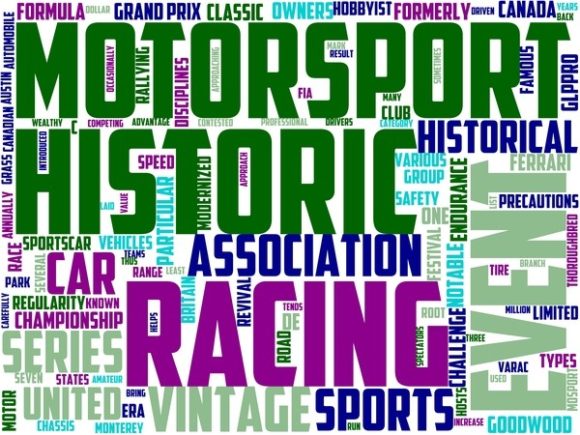
Historic Motorsport Wordart Banner
Imagine a vibrant, hand-drawn explosion of racing heritage—names like Le Mans, Monaco, Ferrari, Lotus, Brabham, and Stirling Moss swirling together with vintage checkered flags, tire treads, and chrome curves—all rendered in rich, joyful color. That’s the essence of the Historic Motorsport Wordart Banner: not just a graphic, but a visual love letter to motorsport’s golden eras.
More Than Decoration—A Design Catalyst
This isn’t clipart. The Historic Motorsport Wordart Banner is a meticulously crafted, hand-drawn wordcloud built for versatility and emotional resonance. Each word is intentionally weighted—not by algorithm, but by cultural significance—and arranged with organic flow, giving it warmth, authenticity, and instant recognizability. Its colorful palette avoids digital sterility: think burnt orange, racing green, deep sapphire, and sun-bleached cream—colors that echo aged race programs, leather helmets, and sun-drenched paddocks.
Because it’s delivered as a high-resolution vector or layered PNG, it scales flawlessly—from a 2-inch enamel pin to a 6-foot festival banner—without losing its hand-crafted charm. That flexibility makes it unusually adaptable across both physical and digital workflows.
Who Finds Real Value in This Wordart?
The Historic Motorsport Wordart Banner serves a surprisingly wide circle of creators and professionals—not just gearheads. Here’s how different users apply it meaningfully:
- Crafters & Small-Batch Makers: Print it on cotton tote bags for vintage car club meetups, embroider simplified versions onto denim jackets, or heat-transfer it onto ceramic mugs sold at historic circuit gift shops.
- Event Planners & Clubs: Use it as a foundational graphic for rally invitations, concours de l’élégance signage, or vintage F1 exhibition posters—its nostalgic tone sets the mood before a single sentence is read.
- Educators & Archivists: Integrate it into museum display panels or school projects about engineering history—its visual density invites curiosity, while its readability supports learning without overwhelming.
- Designers & Brand Strategists: Layer it subtly behind headlines in pitch decks for automotive heritage clients, or extract individual words (like “Endurance” or “Grid”) to build custom logos with instant contextual depth.
- Content Creators & Podcasters: Feature it in video thumbnails for episodes on classic racing documentaries—or animate subtle elements (a waving flag, rotating wheel) for social media reels.
Where It Lives—and Why It Works
Unlike generic racing vectors, this wordart thrives where personality matters. On a linen pillow, its textured lines soften into cozy sophistication. On a recycled-paper notebook cover, it nods to sustainability and storytelling. Applied to vinyl stickers, it sticks with character—not just adhesion. And when used in textile design, its irregular spacing and varied weights translate beautifully into woven jacquard or screen-printed fabric patterns.
It also performs well in hybrid contexts: a boutique watchmaker might pair it with minimalist typography on packaging for a limited-edition chronograph inspired by the 1967 Nürburgring 1000km. A university motorsport engineering program could feature it on welcome banners for open days—immediately signaling tradition, precision, and passion.
Strengths You Can Rely On
What makes the Historic Motorsport Wordart Banner stand out in a sea of stock graphics?
- Human-Centered Composition: No AI-generated symmetry here. Its asymmetry feels intentional—like a sketchbook page discovered mid-race weekend. That imperfection builds trust and relatability.
- Contextual Precision: Words aren’t randomly selected. “Pre-war”, “Formula Libre”, “Brooklands”, and “Targa Florio” reflect deep historical awareness—not just buzzwords.
- Production-Ready Flexibility: Comes with transparent backgrounds, editable layers (where applicable), and CMYK-optimized files for print—no last-minute conversions or color shifts.
- Licensing Clarity: Typically offered with extended commercial rights, covering apparel, merchandise, digital use, and even resale—critical for makers who sell finished goods.
Realistic Considerations
While versatile, it’s worth noting what the Historic Motorsport Wordart Banner isn’t designed to do:
- It’s not a photorealistic illustration—so it won’t replace detailed race scene artwork for editorial features.
- It’s not modular iconography; you can’t easily swap in “McLaren” for “Maserati” without reworking the composition.
- Its dense layout means it works best at medium-to-large sizes. Tiny applications (e.g., 12pt business card text) may lose legibility—though designers often extract key terms for micro-use.
- Color variations are usually fixed per version. If your brand uses strict Pantone palettes, minor adjustments in your design software may be needed—but the hand-drawn nature makes those tweaks feel natural, not forced.
How to Evaluate Fit for Your Project
Ask yourself three questions before choosing the Historic Motorsport Wordart Banner:
- Does your audience connect emotionally with heritage—not just horsepower? If yes, this wordart adds narrative weight. If your focus is modern EV innovation or autonomous tech, a cleaner, more futuristic motif may align better.
- Do you need instant recognition, not explanation? This banner communicates “classic motorsport” in under two seconds. Ideal for time-pressed viewers—festival-goers, online shoppers, or gallery visitors scanning a wall.
- Is adaptability across formats part of your workflow? If you regularly move between print, web, embroidery, and cut vinyl, its resolution independence and clean vector structure save hours in prep work.
For example, a small business launching a line of retro-inspired driving gloves tested three visuals: a photo of a vintage glove, an abstract tire-tread pattern, and the Historic Motorsport Wordart Banner. Customer feedback showed the wordart generated the strongest emotional response—“It made me remember my grandfather’s garage,” one wrote—and drove the highest click-through rate on Instagram ads.
Beyond the Banner: A Creative Spark
Many users begin with the Historic Motorsport Wordart Banner as a centerpiece, then expand outward: scanning its color values to build a full brand palette, tracing individual letters to create custom type treatments, or using its spatial rhythm as a guide for photo layouts in lookbooks. One textile designer even translated its layout into a quilt pattern—each “word” becoming a fabric block stitched with period-accurate prints.
That kind of ripple effect speaks to its core strength: it doesn’t dominate a project—it invites collaboration. It leaves room for your voice, your brand, your story—while grounding everything in shared reverence for motorsport’s enduring spirit.
Whether you’re stitching a one-of-a-kind jacket, designing a tribute exhibition, or launching a podcast about forgotten racing engineers, the Historic Motorsport Wordart Banner offers more than decoration. It offers continuity—with history, with craft, and with the quiet thrill of engines that still echo down the decades.