Great Bend Wordart Crafting: A Strategic Tool for Purpose-Driven Design
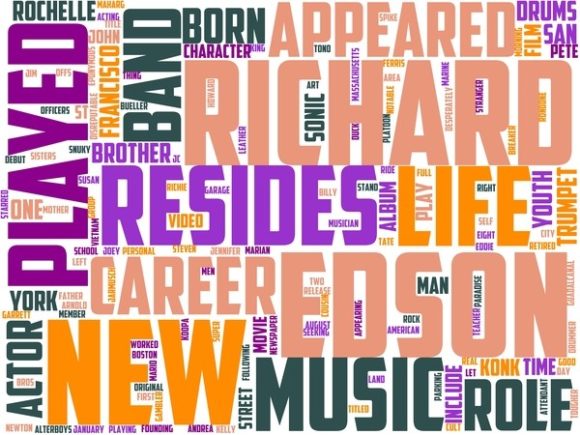
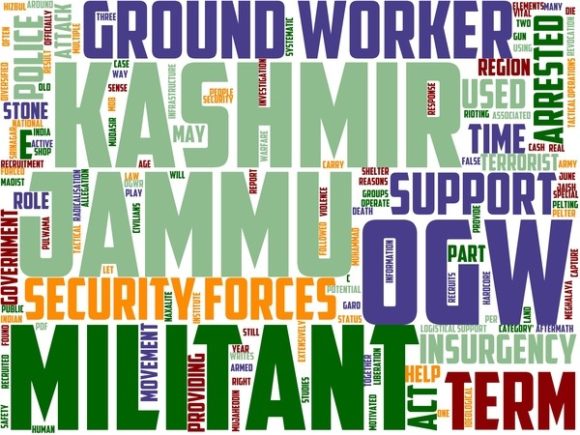
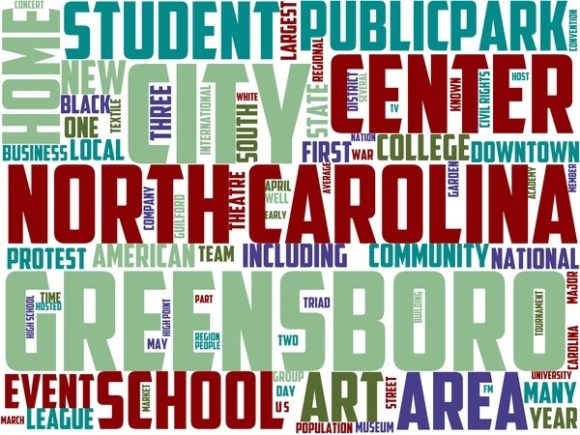
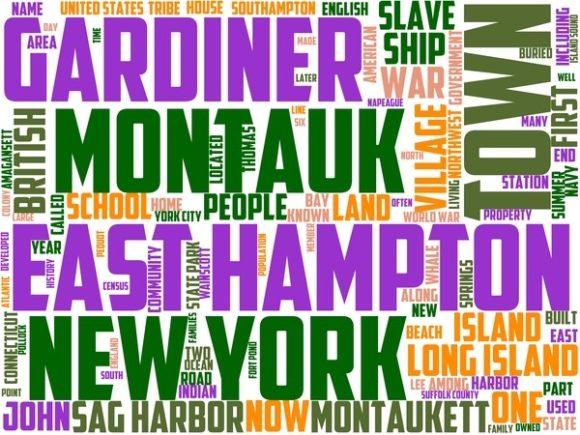
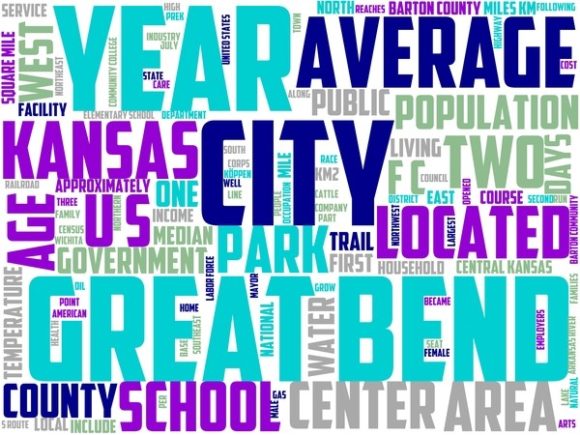
Great Bend Wordart Crafting isn’t just decorative typography—it’s a deliberate visual language system built around hand-drawn, colorful wordclouds that carry meaning, mood, and message in equal measure. Unlike algorithmically generated word clouds or generic clipart, each Great Bend Wordart Crafting composition is intentionally shaped: words are sized, angled, layered, and colored to reflect hierarchy, emotional resonance, and contextual relevance. This makes it uniquely suited for professionals who need design assets that do more than look good—they must align with strategy, support communication goals, and reinforce brand authenticity.
Why Intentional Wordart Matters in Real-World Projects
When you’re designing a workshop flyer, launching a wellness product line, or developing curriculum materials for adult learners, visual clarity and emotional alignment directly impact engagement and retention. Great Bend Wordart Crafting helps bridge the gap between abstract intent and tangible execution. For example, an educator building a classroom poster on “growth mindset” can use a Great Bend Wordart Crafting wordcloud where “curiosity,” “resilience,” and “effort” dominate visually—reinforcing core concepts without relying solely on text blocks. That’s not decoration; it’s cognitive scaffolding.
Similarly, small business owners launching a seasonal promotion benefit from how Great Bend Wordart Crafting supports messaging discipline. Because the format demands careful word selection and proportional emphasis, it naturally discourages cluttered, vague slogans. You don’t just add “amazing,” “best,” and “incredible”—you choose terms grounded in your actual differentiators: “locally sourced,” “hand-stitched,” “zero-waste packaging.” That selectivity strengthens both internal alignment and external perception.
Strategic Use Cases Across Roles and Outcomes
The versatility of Great Bend Wordart Crafting lies not in its breadth alone—but in how its application shifts meaning based on context. Consider these grounded examples:
- Marketing & Promotions: A boutique fitness studio uses a Great Bend Wordart Crafting wordcloud for their “Summer Reset” campaign—featuring “energy,” “clarity,” “movement,” and “community” in warm, sunlit tones. Printed on reusable tote bags and digital banners, it becomes a consistent visual anchor across touchpoints—supporting recall and reinforcing values over time.
- Educational Materials: A professional development trainer integrates Great Bend Wordart Crafting into slide decks and participant workbooks. Instead of bullet points listing “active listening skills,” the wordcloud places “pause,” “reflect,” “paraphrase,” and “validate” at varying weights—making abstract competencies feel tactile and memorable.
- Product Packaging & Branding: A sustainable skincare brand selects Great Bend Wordart Crafting for inner box liners and ingredient tags. Words like “chamomile,” “cold-pressed,” and “plastic-free” appear in organic shapes and earthy hues—turning functional information into an expressive extension of brand voice.
What ties these cases together isn’t aesthetics alone—it’s consistency of purpose. Each use begins with a clear question: *What idea needs to land—and how will this visual aid that landing?*
Planning Before Placing: What to Clarify First
Before selecting or customizing a Great Bend Wordart Crafting asset, pause to define three things:
- Your primary objective: Is the goal awareness (e.g., event invitation), comprehension (e.g., workshop handout), or action (e.g., limited-time offer sticker)? The wordcloud’s structure should serve that aim—not compete with it.
- Your audience’s existing mental model: Will they recognize and interpret the selected words intuitively? Avoid insider jargon unless your audience shares that lexicon. “Agile sprint planning” works for software teams; “dynamic iteration rhythm” doesn’t—no matter how artful the rendering.
- Your implementation constraints: Consider scale, color fidelity, and production method. A vibrant Great Bend Wordart Crafting design may lose nuance when reduced to a 1-inch magnet or printed on kraft paper. Test legibility early—not after final files are sent to print.
This pre-work prevents misalignment. Without it, even a beautifully rendered Great Bend Wordart Crafting piece can dilute rather than amplify your message—especially in fast-scrolling digital environments or crowded retail displays.
Risks of Using Wordart Without Strategy
Great Bend Wordart Crafting becomes counterproductive when treated as a stylistic shortcut instead of a strategic tool. Common pitfalls include:
- Word inflation: Adding too many terms to “fill space,” which erodes visual hierarchy and confuses priority. A wordcloud with 28 words offers no clear takeaway—just visual noise.
- Context drift: Reusing the same Great Bend Wordart Crafting file across unrelated projects (e.g., applying a “mindfulness” cloud to a cybersecurity seminar). Visual familiarity shouldn’t override conceptual relevance.
- Production mismatch: Assuming hand-drawn texture translates seamlessly to all mediums. Screen-printed apparel may require simplified outlines; embroidery digitization often needs adjusted spacing and stroke weight—adjustments best made before finalizing the source file.
These aren’t flaws in the tool—they’re signals that the user skipped intentional framing. Great Bend Wordart Crafting responds well to thoughtful input; it does not compensate for unclear goals.
Making It Last: Long-Term Value Beyond the First Use
One underutilized strength of Great Bend Wordart Crafting is its adaptability over time. A single well-designed wordcloud can evolve alongside your work—not as a static image, but as a modular asset. For instance:
A leadership coach might begin with a Great Bend Wordart Crafting piece centered on “trust,” “clarity,” and “accountability” for a keynote deck. Later, they extract individual words—redrawing “clarity” as a standalone icon for a client workbook cover, or isolating “accountability” in monochrome for a progress-tracking worksheet. The original composition serves as a creative seed bank, not a one-off deliverable.
This approach supports sustainability in content creation: less reinvention, more refinement. It also builds visual equity—audiences begin to associate certain typographic rhythms and color palettes with your voice, deepening recognition without needing logos or slogans.
Getting Started with Purpose
If you’re evaluating whether Great Bend Wordart Crafting fits your current workflow, ask yourself two practical questions:
- Do I regularly communicate ideas that rely on layered meaning—not just facts? (e.g., values, processes, mindsets, transitions)
- Do I have recurring needs for flexible, printable, and adaptable visual assets across physical and digital formats?
If both answers are yes, Great Bend Wordart Crafting likely offers measurable ROI—not in clicks or conversions alone, but in reduced revision cycles, stronger stakeholder buy-in, and more cohesive storytelling across channels.
Start small: choose one upcoming project where clarity and tone matter more than complexity. Select five to seven words that truly represent its core. Then explore how Great Bend Wordart Crafting can give them shape—not just size and color, but intentionality. From there, let usage inform expansion—not the other way around.
Great Bend Wordart Crafting earns its place not by being everywhere, but by being right—when it matters most.