Ergonomics Wordart Skinny Tumbler
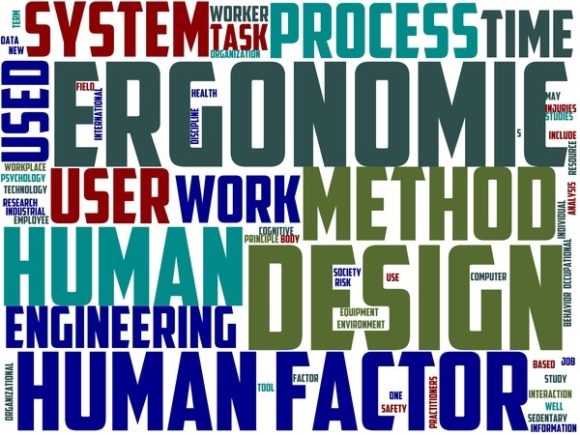
The Ergonomics Wordart Skinny Tumbler is a digital design asset—a hand-drawn, colorful wordcloud centered around themes of wellness, movement, mindfulness, and human-centered design. It is not a physical tumbler, but rather a versatile vector or high-resolution raster graphic intended for creative application across both digital and print media. The name reflects its thematic focus (ergonomics) and visual style (wordart), while “skinny tumbler” evokes the tall, narrow proportions common in modern drinkware—mirroring the layout’s vertical flow and compact width.
This wordcloud features curated terms such as “posture,” “comfort,” “support,” “flow,” “balance,” “movement,” “awareness,” and “design”—arranged organically with varying font weights, sizes, and orientations. Its hand-drawn aesthetic gives it warmth and approachability, distinguishing it from sterile, algorithm-generated word clouds. It is delivered as a downloadable file (typically PNG, JPG, or SVG), ready for use in design software like Adobe Illustrator, Canva, or Procreate.
Why Someone Might Consider This Design Asset
Designers, educators, wellness professionals, small business owners, and crafters often seek visual tools that communicate complex ideas quickly and memorably. A wordcloud like the Ergonomics Wordart Skinny Tumbler serves this purpose by transforming abstract concepts into an engaging, scannable image. It may appeal to users who need to:
- Illustrate ergonomic principles in workplace training materials or health education handouts;
- Add thematic visual interest to apparel, tote bags, or home décor items without relying on stock photography;
- Create cohesive branding elements for a wellness studio, physical therapy practice, or ergonomic product line;
- Develop printable resources—such as habit trackers, workshop worksheets, or classroom posters—that emphasize mindful movement or body awareness;
- Support DIY craft projects where layered, text-based graphics enhance tactile or visual appeal (e.g., embroidered patches, vinyl decals, or resin jewelry).
Practical Benefits and Realistic Tradeoffs
One key benefit is adaptability: the Ergonomics Wordart Skinny Tumbler works equally well at small scale (e.g., a 2-inch sticker or business card icon) and large format (e.g., a 24×36-inch poster). Its hand-drawn quality lends authenticity, which can help differentiate branded content in saturated markets. Because it uses legible, theme-aligned vocabulary, it supports comprehension without requiring translation or explanation—making it useful across age groups and literacy levels.
However, there are limitations to consider. As a static graphic, it does not support dynamic customization—users cannot easily add, remove, or reorder words without design expertise. While many versions include transparent backgrounds for flexibility, color variations may be limited; altering hues consistently across all text elements requires vector-editing skills or access to layered source files (which may not always be included). Also, because it relies on English-language terms, its utility diminishes in multilingual contexts unless adapted manually.
Licensing is another practical factor. Most versions are offered under standard commercial licenses, permitting use in client work and resale items—but restrictions may apply to merchandise sold at scale or embedded in digital templates resold on marketplaces. Reviewing the license terms before purchase is essential, especially for entrepreneurs planning repeated or broad distribution.
Situations Where This Wordcloud Is a Strong Fit
The Ergonomics Wordart Skinny Tumbler performs best when clarity, tone, and thematic resonance matter more than technical specificity. It suits projects where:
- A visual shorthand for holistic wellness or human-centered design is needed—such as a yoga studio’s seasonal newsletter or an office ergonomics seminar banner;
- Design time is constrained, and a polished, ready-to-use element helps maintain consistency across touchpoints (e.g., matching social media posts, email headers, and printed flyers);
- The audience responds well to illustrative, non-photographic visuals—particularly children, teens, or adults engaging with self-care or preventive health topics;
- Craft-based production methods are used, and the graphic’s clean outlines and moderate detail translate well to cutting machines, screen printing, or hand-stenciling.
When Alternatives May Be More Appropriate
This wordcloud is less suitable when precision or interactivity is required. For example:
- Educational settings needing anatomical accuracy—a labeled skeletal diagram or biomechanical illustration would convey posture mechanics more effectively than a conceptual wordcloud.
- Data-driven presentations—if the goal is to visualize survey results about workplace discomfort, a bar chart or heat map provides clearer insight than stylized text.
- Brands with strict visual guidelines—if corporate fonts, colors, or iconography must be strictly followed, modifying the wordcloud to match may require disproportionate effort versus designing from scratch.
- Projects requiring localization—translating and re-balancing the layout for languages with longer words (e.g., German) or right-to-left scripts (e.g., Arabic) often demands custom design work beyond simple text replacement.
Making an Informed Decision
To determine whether the Ergonomics Wordart Skinny Tumbler aligns with your goals, ask three questions:
- What is the primary message? If it centers on mindset, intention, or lifestyle—not clinical instruction or statistical evidence—the wordcloud’s evocative nature supports that aim.
- What formats will you use it in? Check file formats and resolution. A 300 DPI PNG works for print; an SVG ensures scalability for web or embroidery digitizing. Confirm compatibility with your workflow tools.
- How much customization do you anticipate? If you only need to resize, recolor, or layer it with other assets, most versions will suffice. If you plan frequent word edits or integration into animated content, explore editable vector sources or consult a designer.
Finally, compare it against similar assets—not just by price, but by stylistic cohesion with your existing materials. A slightly higher-cost version with extended licensing, alternate colorways, or bonus icons may offer better long-term value than a cheaper file requiring repeated adaptation.
In summary, the Ergonomics Wordart Skinny Tumbler is a purpose-built visual tool—not a universal solution, but a thoughtful option for creators prioritizing expressive, theme-driven communication. Its value emerges most clearly when matched to projects where meaning, mood, and accessibility outweigh the need for technical granularity or linguistic flexibility.