Cluster Ballooning Wordart Crafting: A Distinctive Approach to Hand-Drawn Word Cloud Design
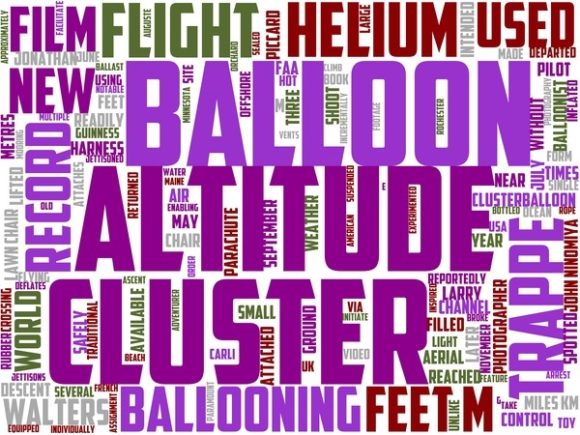
Cluster Ballooning Wordart Crafting refers to a specific style of hand-drawn word cloud where key terms or phrases are arranged organically—like clusters of floating balloons—rather than in rigid grids, radial layouts, or density-based sizing. Each word is individually illustrated with expressive line work, subtle shading, and vibrant, harmonized color palettes. Unlike algorithmically generated word clouds, this method prioritizes visual rhythm, legibility at scale, and tactile charm. The result is not just a list of words, but a balanced composition that invites close looking and emotional resonance.
How It Differs From Other Word Art Formats
Most digital word clouds rely on frequency weighting: larger fonts for repeated terms, tight packing, and monochrome or gradient fills. Cluster Ballooning Wordart Crafting deliberately steps away from that logic. Size variation serves aesthetic balance—not data hierarchy. Words may be equally prominent regardless of repetition, and spacing is generous, allowing breathing room between elements. This makes it especially effective for applications where tone and personality matter more than statistical representation—think brand storytelling, event invitations, or wellness-themed apparel.
Compared to typographic posters or lettering-focused designs, Cluster Ballooning Wordart Crafting emphasizes collective meaning over individual letterform mastery. It’s less about kerning precision or stroke contrast, and more about how words relate spatially and chromatically. When placed beside vector-based clipart word clouds or AI-generated decorative text, the hand-drawn quality becomes an immediate differentiator—offering warmth, imperfection, and human intentionality.
Practical Use Cases and Real-World Fit
This style excels where versatility and visual cohesion across physical and digital media are required. Because each word is drawn as a self-contained graphic element—not rendered as live text—it scales cleanly from a 1-inch sticker to a 48-inch wall poster without pixelation or distortion. That makes Cluster Ballooning Wordart Crafting well-suited for textile design (e.g., screen-printed t-shirts or embroidered pillow covers), ceramic transfers (mugs, plates), and die-cut packaging elements (gift tags, product hangtags).
It also performs strongly in mixed-media contexts. Crafters report success integrating these word clouds into scrapbooking layouts, handmade greeting cards, and layered journal spreads—especially when paired with watercolor washes or washi tape borders. In promotional materials like flyers or brochures, the layout’s inherent openness allows space for call-to-action text or logos without visual competition. For educators or workshop facilitators, the format supports thematic anchoring: a “Growth Mindset” cluster might include words like curiosity, resilience, and experiment—each drawn with botanical motifs, reinforcing concept through illustration, not just vocabulary.
Strengths and Considerations
A primary strength lies in its adaptability across audiences and formats. Since no single word dominates visually, it avoids unintentional emphasis—making it appropriate for inclusive messaging (e.g., diversity & inclusion initiatives) where equal weight among values matters. The hand-drawn nature also lends itself to customization: artists can adjust line weight, add small icons inside letters, or tint individual words to match seasonal palettes (e.g., muted sage and ochre for autumn collections).
However, there are tradeoffs. Because it’s manually composed, Cluster Ballooning Wordart Crafting requires more time to produce than automated alternatives—and editing after finalization isn’t trivial. Changing one word often means redrawing adjacent elements to preserve balance. That makes it less ideal for projects needing rapid iteration or frequent content updates (e.g., weekly social media graphics or dynamic event schedules). It also assumes a baseline level of visual literacy from viewers; dense clusters without clear focal points can feel overwhelming if not thoughtfully curated.
Legibility at small sizes is another consideration. While scalable, extremely compact versions (under 1.5 inches wide) may lose nuance in line detail or color distinction. Testing physical proofs—especially for embroidery or laser engraving—is advisable before mass production.
When to Choose Cluster Ballooning Wordart Crafting—and When to Look Elsewhere
Choose this approach when your goal is to communicate mood, identity, or aspiration rather than metrics or hierarchy. It shines in branding for creative studios, mindfulness apps, boutique retailers, and educational programs where authenticity and craftsmanship are part of the value proposition. If you’re developing a signature product line—say, yoga mats with affirming phrases or children’s books celebrating emotional vocabulary—Cluster Ballooning Wordart Crafting adds distinctive character that stands out on shelves and in feeds.
Conversely, consider alternatives if your priority is speed, data fidelity, or multilingual flexibility. Algorithmic word clouds remain more efficient for real-time analytics dashboards or conference name tags where names change daily. For strictly typographic elegance—such as luxury brand monograms or minimalist business cards—custom lettering or serif-based compositions may offer tighter control over spacing and proportion. And if your project demands strict ADA compliance for screen readers, remember that hand-drawn word clouds must be accompanied by descriptive alt text or supplemental plain-text versions.
Integration With Broader Design Systems
Cluster Ballooning Wordart Crafting doesn’t exist in isolation—it gains strength when aligned with complementary assets. Many designers pair it with coordinating line illustrations (e.g., matching balloon strings extending into border motifs), consistent icon sets, or shared color families used across packaging, web banners, and printed collateral. This consistency reinforces recognition without repetition, letting the word cloud serve as both focal point and unifying thread.
In textile design, the cluster layout adapts well to repeat patterns: rotating or mirroring sections creates seamless prints for scarves or tote bags. For home décor, scaling variations allow the same core set of words to appear as a framed art print, a stenciled wall quote, and a stitched throw pillow—all feeling related but functionally distinct.
Getting Started Thoughtfully
If you're evaluating whether to commission or create Cluster Ballooning Wordart Crafting, begin by clarifying intent. Ask: Is this meant to inspire? To inform? To unify a collection of ideas? Then assess practical constraints—timeline, budget, reproduction method, and audience context. Review samples not just for visual appeal, but for how they hold up across intended uses. Does the same file work crisply on a cotton tag and a glossy magazine cover? Does the color palette translate well to both digital screens and Pantone-matched fabric dyes?
Also consider scalability of the concept itself. A single cluster may anchor one product—but can its structure evolve across seasons or campaigns? Some creators develop modular systems: core words stay fixed while accent terms rotate (e.g., joy, peace, clarity remain constant; spring, rest, focus shift quarterly). That extends utility without sacrificing coherence.
Ultimately, Cluster Ballooning Wordart Crafting offers a thoughtful middle ground between raw digital efficiency and labor-intensive fine art illustration. It balances expressiveness with reproducibility, personality with professionalism, and decoration with meaning. Whether applied to a ceramic mug or a keynote slide deck, it reminds viewers that language—when shaped with care—can be both seen and felt.